How to brief a software company and get a useful estimate
You do not need a technical specification to start. You need a clear problem, a few examples and a list of priorities. Here is what to prepare before asking for a quote.
Start with the task, not the technology
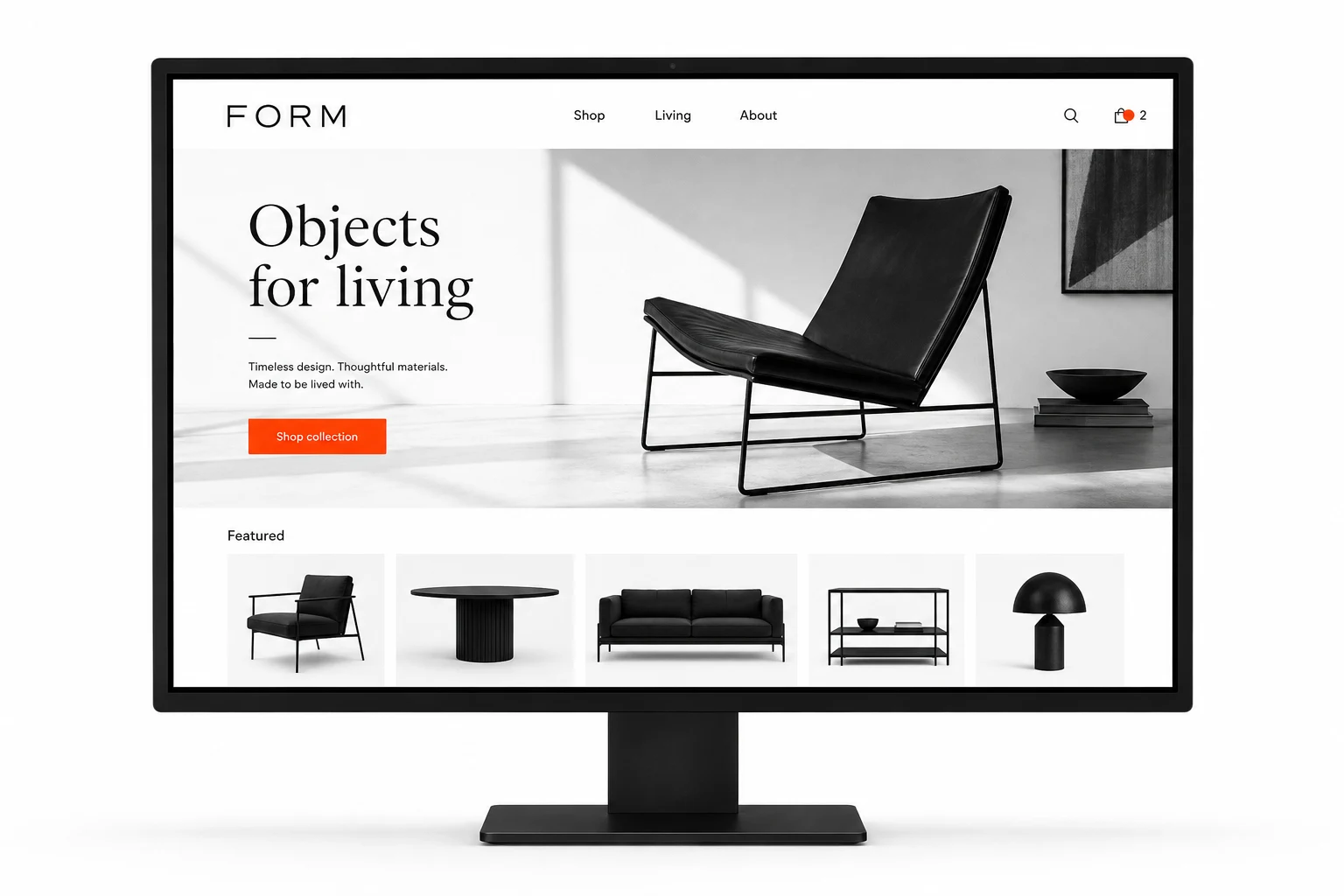
“We need a website” is a starting point, but it leaves a lot open. Is the goal to receive enquiries, sell products or let existing customers manage orders? Those are different projects, even if all three run in a browser.
Before contacting a software development company, write down who will use the product and what they should be able to do. For example: “Customers should see our services, send an enquiry and attach a photo.” This tells a team more than a list of programming languages.
Website, online store, CRM or app?
Choose the closest description. You do not have to get the terminology exactly right.
- A company website explains your offer and helps people contact you. An online store also needs products, orders, payments and delivery rules.
- A CRM helps your team keep track of customers, conversations and sales. A custom system can also handle tasks that your current tools do not cover.
- A web app lets users do something in a browser, such as manage bookings or work in a customer account. A mobile app runs on a phone and may need Android, iOS or both.
- Cloud and DevOps work concerns where your software runs, how updates reach users and how the systems are monitored.
If two descriptions fit, say so. A store connected to a CRM is a normal request. The connection is part of the work and should be discussed, not discovered at the end.
Describe one real workflow
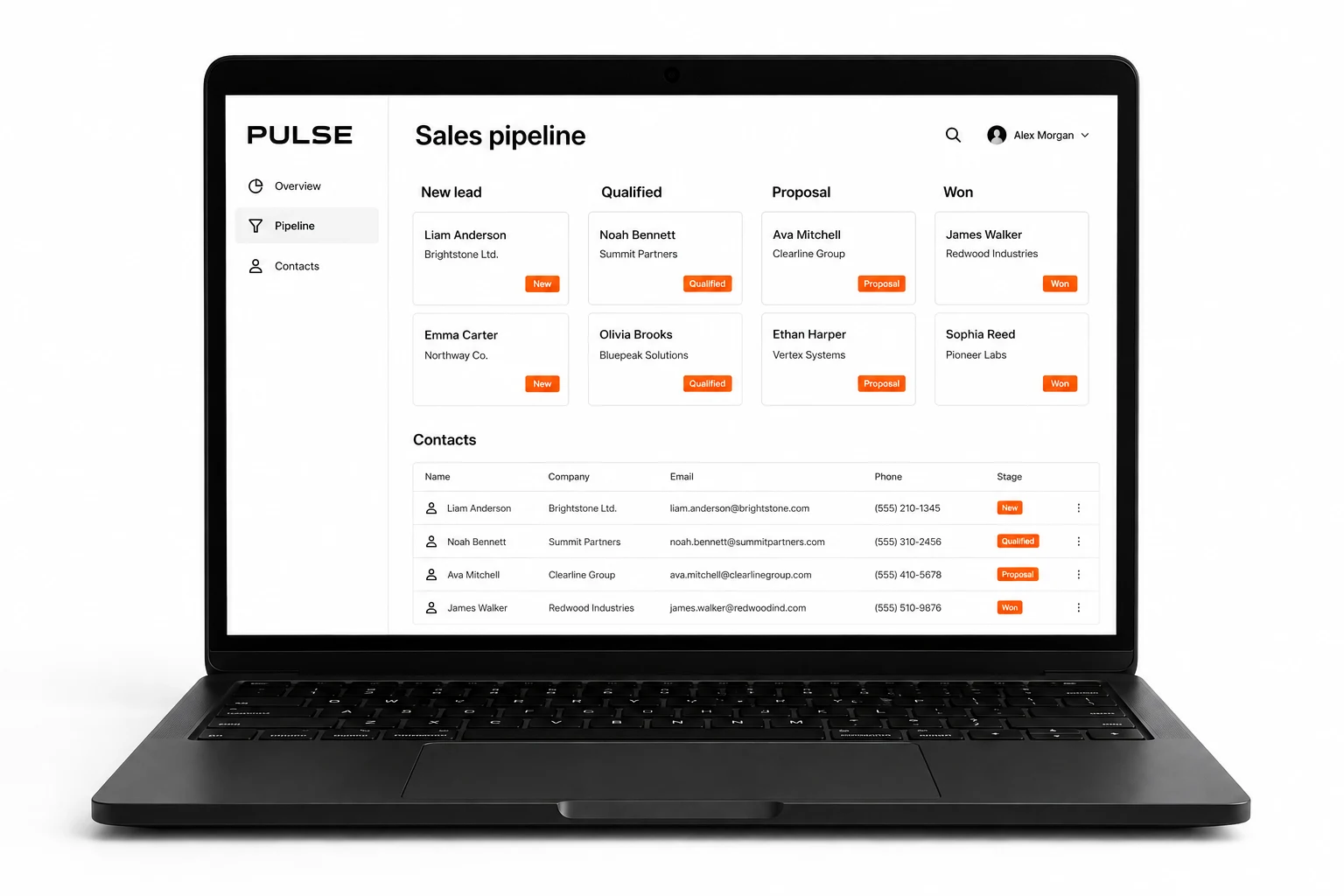
Imagine a small installation business. An enquiry arrives by email, someone copies it into a spreadsheet, a colleague prepares a quote and another person updates the customer. This is an illustrative example, not an Auri case study.
A useful brief explains the steps, who performs them and where information gets lost. The request might be: “We want every enquiry, quote and status in one place.” The first version could cover those steps without also adding accounting, stock management and a mobile app.
Separate must-haves from later ideas
Make two lists: what must work at launch and what can wait. “Customers can submit an enquiry” might be essential. A loyalty programme or advanced reporting may be useful later.
This is not about making the product worse. It makes the first release easier to define and gives you a way to compare proposals. Ask each team to estimate the same essentials and list optional additions separately.
What changes the cost?
The number of screens matters, but it is not the whole estimate. Two similar-looking forms can involve very different work if one simply sends a message and the other checks stock, takes payment and updates several systems.
- Integrations: which payment provider, CRM, accounting or delivery service must connect?
- Existing data: what needs to move, in which format, and who can check its quality?
- People and permissions: who may view, edit or approve information?
- Content: are the texts, product photos and translations ready?
- Launch conditions: is there a fixed event, an existing site to replace or downtime to avoid?
- Support: who will maintain the product, and what help do you expect after launch?
There is no honest universal price for “an app” or “a CRM”. A useful estimate states what is included, what is excluded and which unknowns still need checking.
Copy this short brief
- Our business and customers: …
- The problem we want to solve: …
- Today the process works like this: …
- At launch, users must be able to: …
- Tools and data we already use: …
- Budget expectations and any important date: …
- The person who can answer questions and approve work: …
It is fine to write “not sure yet”. Missing information is something to discuss, not a reason to postpone the first conversation. Do not send customer passwords or private customer data in an initial brief.
What to ask when comparing proposals
Ask what you will receive, how progress will be reviewed, what happens if requirements change and what support is included. Compare those answers alongside the price. A lower number that excludes data migration or launch support may describe a different project.
If you already know the direction, explore our website and online-store development, custom software and CRM or web and mobile app development. If not, start with the problem. We can discuss which type of solution fits it.
← All articles